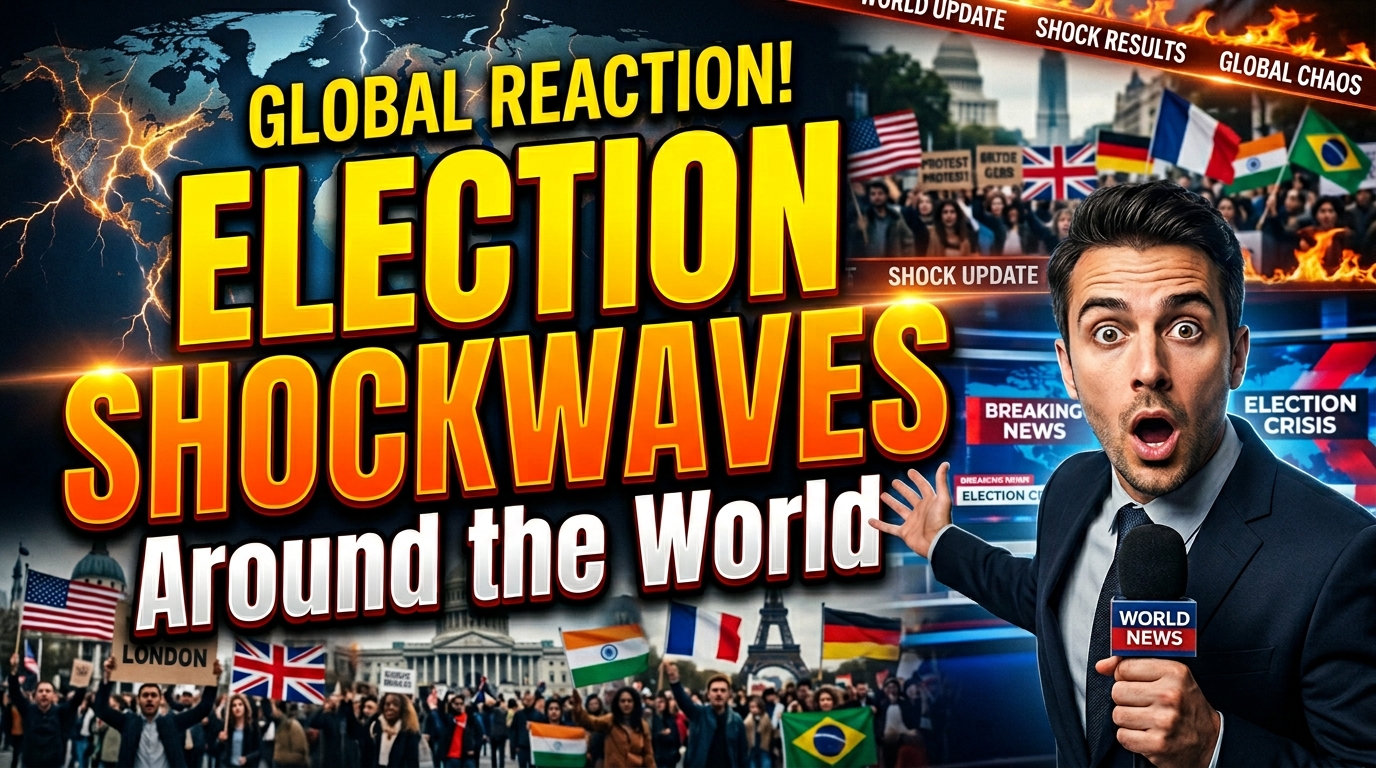
Election Shockwaves Around the World
Why This Topic Suddenly Feels So Big
If elections feel louder, messier, and way more global than they used to, you are not imagining things. In 2024, countries representing almost half the world’s population went to the polls, which made it the biggest election year in history. Then 2026 kept the pressure on, with voters in more than 50 countries heading back to ballot boxes while war, tariffs, inflation, and energy costs pushed public anger even higher.
That explains the “shockwaves” part. A major election does not stay inside one country anymore. One result can move markets, shake alliances, change migration policy, hit fuel prices, and flood social media with instant “expert analysis” from people who learned foreign policy 12 minutes ago. You know the type. They read one thread, post three flag emojis, and suddenly they act like they chair the UN. Still, the global effect is real. Reuters tied recent election cycles directly to war, trade stress, democratic strain, and economic frustration across multiple regions.
Why Elections Now Send Shockwaves Across Borders
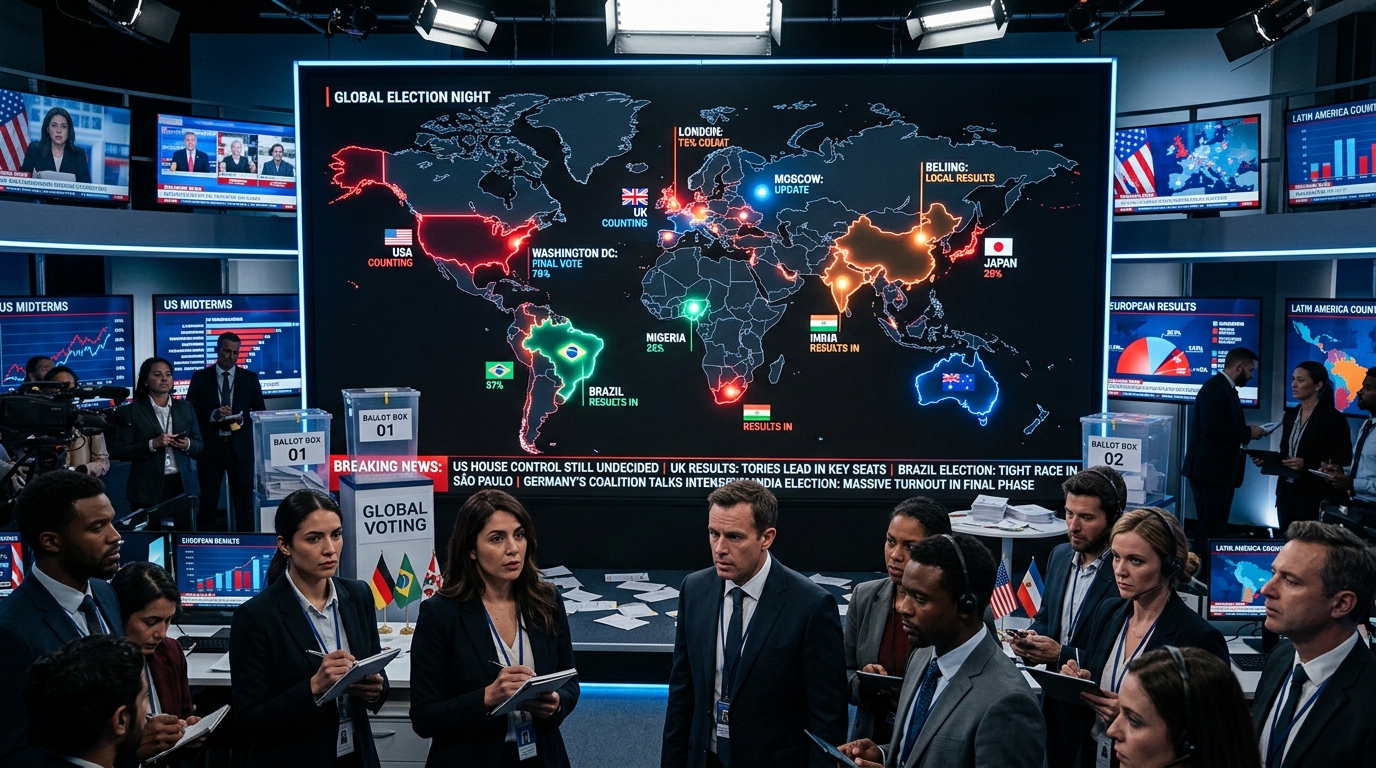
The old idea of elections felt simpler. A country voted, a winner celebrated, a loser made excuses, and the rest of the world moved on. That version feels ancient now. Today, elections spill across borders because economies, security alliances, energy markets, and online narratives all overlap. When one government changes, everyone from investors to neighboring states starts recalculating the next move. Reuters said investors are tracking elections in places like Hungary, Brazil, Israel, the United States, Ethiopia, Zambia, Peru, and Colombia because political outcomes can affect debt, fiscal policy, currencies, trade, and war risk.
That kind of overlap changes how readers should think about elections. You should not treat a vote in another country like random foreign drama that has nothing to do with you. If a new government changes tariff policy, your prices can move. If a government shifts its position on war, oil can jump. If a country tightens migration rules or changes industrial policy, labor markets and supply chains can feel it. Suddenly that “far away” election does not feel far away at all. Funny how global politics keeps showing up in local grocery bills, right?
The Cost of Living Starts Most of the Political Fires
Let’s be real. Politicians love grand speeches about destiny, sovereignty, and national revival. Voters hear all that, then check rent, fuel, groceries, and school fees. Most of the time, daily life wins. Reuters reported that voters in 2026 are heading into elections while dealing with war, tariffs, and economic stress, and rising oil and fuel prices could push anger toward incumbents. That pattern keeps showing up in one country after another.
Canada offers a good example. In April 2025, Mark Carney’s Liberals kept power, but they fell short of the majority government they wanted while facing public anxiety around tariffs and pressure from the United States. That result did not just shape Ottawa. It mattered for trade talks, investor confidence, and North American politics more broadly.
Britain told a similar story in a different accent. Labour won a huge majority in July 2024 and ended 14 years of Conservative rule, but Reform UK still pulled in about four million votes. So yes, Labour won big, but the deeper anger inside the electorate did not disappear in a puff of democratic fairy dust. It stayed in the system, and it will show up again.
India showed the same tension in another form, and Reuters’ broader election analysis captured that pattern well. Dominant leaders still face voters who care about jobs, prices, and public services more than campaign mythology. Voters might keep a leader, but they often cut down the size of the mandate when life feels harder. That sends a signal too.
Voters Want Change, But They Also Want Stability
This contradiction sits at the center of modern elections. Voters want change, but they also want calm. They want a stronger economy, but they also want lower taxes. They want bold leadership, but they also want less arrogance and fewer elite lectures. Good luck fitting that on a campaign poster without setting the whole thing on fire.
Germany’s 2025 election captured that tension perfectly. Friedrich Merz’s conservatives won, but the far right AfD surged to a historic second place after the collapse of Olaf Scholz’s unpopular coalition. That result told two stories at once. Voters still gave first place to a mainstream bloc, but they also pushed a protest force to its best result yet. That mix matters because Germany sits at the center of Europe’s economy and policy direction.
Hungary now shows that pressure in real time. Reuters reported on April 1, 2026 that the opposition Tisza party widened its lead over Viktor Orban’s Fidesz in two independent polls ahead of the April 12 election, though a large share of voters still had not decided. That matters far beyond Hungary because Orban has shaped long running fights inside Europe over Russia, EU funding, democratic standards, and national sovereignty. If Hungarian voters push him out, Europe feels the change. If they keep him, Europe feels that too.
That is why election coverage should go deeper than “who won.” The better question asks, “What kind of frustration produced this result?” Another smart question asks, “Did voters vote for a plan or just vote against the current mess?” Those questions usually tell you more than a victory speech ever will.
Identity Politics Keeps Raising the Stakes
Elections do not revolve only around money anymore. They also revolve around identity, values, status, and belonging. Voters ask who gets heard, whose culture counts, what history matters, and what kind of country they want to live in. That makes results feel more emotional and more explosive.
Mexico’s 2024 election showed that clearly. Claudia Sheinbaum won a landslide and became the country’s first female president, with Reuters describing it as the highest vote share in Mexico’s democratic history. That result mattered inside Mexico for obvious reasons, but it also sent a wider regional signal about leadership, gender, and political change in Latin America and beyond.
Britain’s 2024 election also exposed a deep identity split under the surface. Labour won the seats, but smaller parties together took more than 40% of the vote, and Reform UK alone won about four million votes. That tells you a lot about fragmentation, distrust, and the appetite for harder-edged political messaging even after a landslide. Seat totals can hide emotional reality, and emotional reality always comes back.
That pattern matters because identity based politics travels fast. One country debates borders, another copies the language. One leader turns inflation into a culture war issue, another copies the script. One party weaponizes nostalgia, another imports the same mood with a local accent. IMO, that is one of the biggest reasons election shockwaves spread so quickly now. People do not just share news. They share narratives.
The Internet Turned Every Election Into a Global Cage Match
Let me say the obvious quiet part out loud. Social media made election season worse. Much worse. Campaigns never stop now. Every scandal loops forever. Every rumor grows legs. Every bad take finds an audience. Reuters noted that disinformation warped political discourse in parts of the 2024 election cycle and raised concerns about democratic resilience. That tracks with what most normal people already feel the second they open an app during election season and instantly regret it.
This online pressure changes elections in two ways. First, it speeds everything up. A rumor that once died in a small circle now goes global in minutes. Second, it blurs borders. Voters in one country now watch campaign tactics from five others at the same time. They compare leaders instantly. They absorb slogans, fears, and conspiracy theories from all over the place. Then they carry that mood into their own politics. That is how a “local” election starts sounding weirdly familiar, even when it happens thousands of miles away. FYI, democracy did not need this much chaos to stay interesting. 🙂
Sometimes the Real Story Is Democracy Itself
Some elections test policy. Others test the political system itself. South Korea gave the world one of the clearest recent examples. On December 3, 2024, President Yoon Suk Yeol declared martial law, and 190 lawmakers in parliament voted it down. Reuters later reported that if the Constitutional Court removed him after impeachment, South Korea would hold a snap election. That crisis sent immediate shockwaves because South Korea is one of Asia’s most important democracies and a major US ally.
What struck me most there was the speed of the response. Lawmakers moved. Institutions responded. The political system bent hard, but it pushed back. That kind of episode reminds readers that democracy is not just a ballot box and a campaign rally. Democracy also depends on whether institutions act when leaders overreach. When they act, the system survives. When they freeze, the real trouble starts.
Then you have cases where elections act more like stage props. Myanmar offers that version. Reuters reported on April 3, 2026 that junta chief Min Aung Hlaing became president through a parliamentary vote after a heavily criticized election that cemented military control five years after the coup. Analysts told Reuters that the move aimed to consolidate power while projecting a civilian look and seeking international recognition. That is not democratic renewal. That is authoritarian branding with extra paperwork.
That distinction matters. A ballot alone does not prove freedom. Governments can use elections to create legitimacy theater while keeping real power locked away. So when readers look at election headlines, they should always ask one simple question: did voters actually choose, or did rulers simply package control in a nicer box?
Markets React Before the Celebrations Even End
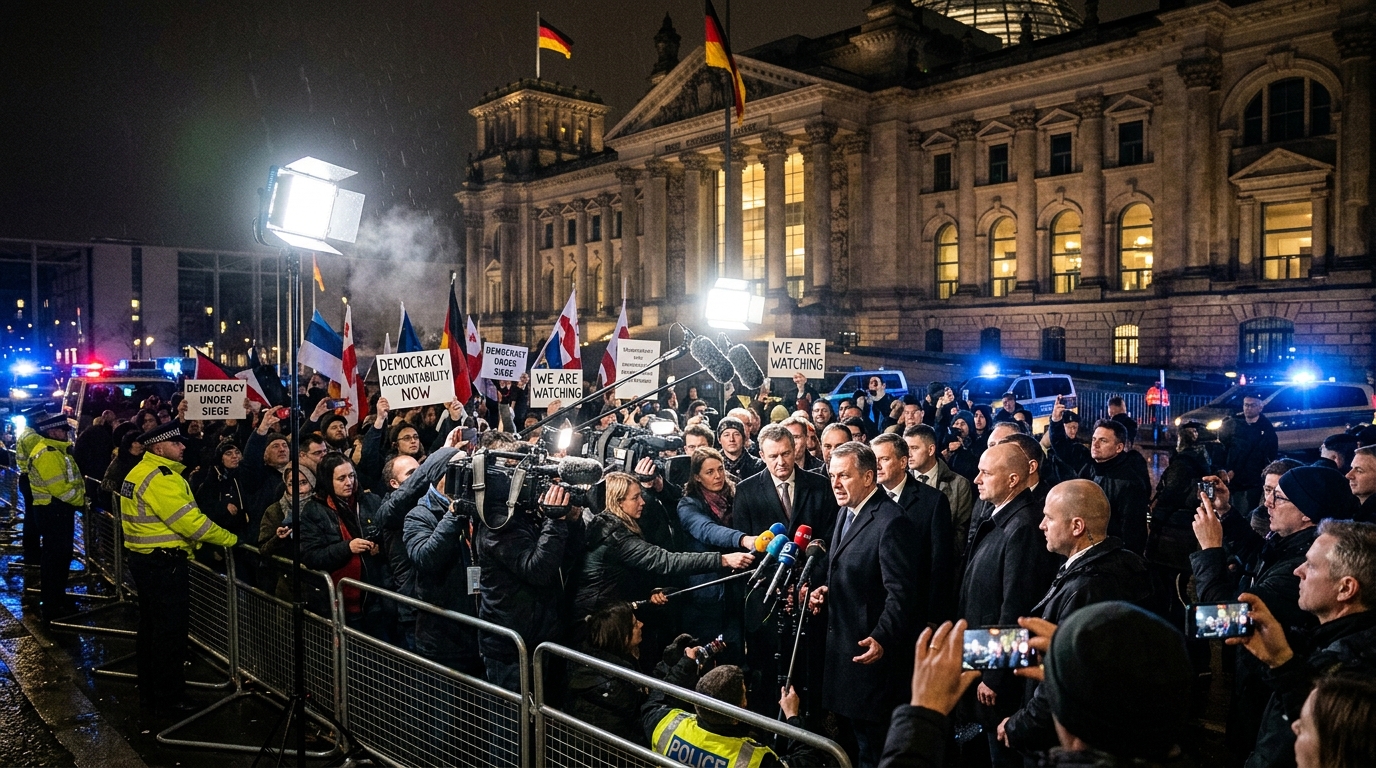
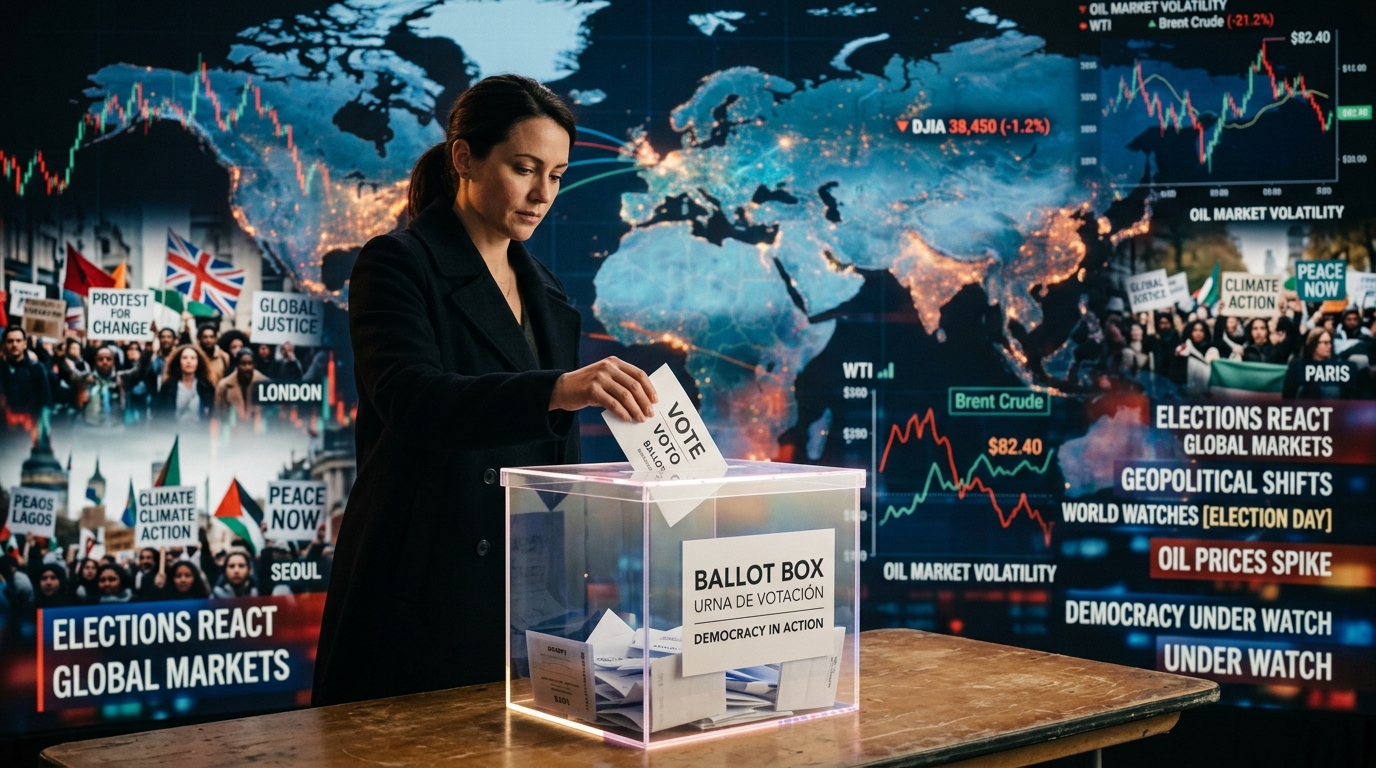
Markets watch elections like nervous gamblers with Bloomberg terminals. Reuters reported in March 2026 that investors are watching election outcomes because they can reshape everything from fiscal policy and debt expectations to tariffs, currencies, and energy risk. That kind of reaction does not wait for the confetti to settle. Markets start moving on expectations long before final speeches.
You can see this clearly in Mexico. Reuters said the scale of Sheinbaum’s landslide sparked jitters in the markets even as supporters celebrated the historic nature of her victory. Investors looked ahead to what a strong congressional mandate could mean for reforms and institutional checks. One election created both political momentum and financial anxiety at the same time.
Britain showed another version. Reuters reported that UK markets rose after Labour’s 2024 victory, partly because investors expected a more stable political environment after years of turmoil. So yes, voters chose a government, but markets also voted on whether they expected fewer headaches. Sometimes “boring and stable” becomes the sexiest campaign promise in the room. Weird, but true.
That creates a loop you can’t ignore. Voters react to prices. Markets react to voters. Governments react to markets. Then voters react again when those reactions hit real life. That loop helps explain why election shockwaves now travel so far and so fast.
What NewsView Should Help Readers Notice
A blog like NewsView can stand out here by doing something simple that many outlets still miss. Do not cover elections like horse races only. Cover them like connected pressure points.
Ask the questions normal readers actually care about. Why did voters punish the people in charge? Which issue mattered most this time? What changes now for trade, migration, war, energy, or tech policy? Which global trend does this result fit, and which one does it break? Those questions make election coverage useful instead of theatrical.
You can also help readers separate noise from consequence. Not every upset result changes the world overnight. Some “political earthquakes” turn out to be loud headlines with very ordinary follow through. But recent elections in Germany, Canada, Mexico, South Korea, Hungary, and Myanmar all show that some results really do carry regional or global weight, whether through markets, institutions, alliances, or ideological influence.
Final Thoughts
So yes, election shockwaves around the world feel real because they are real. They start with local anger, local identity, and local choices. Then they crash into global markets, alliances, online narratives, and public mood across borders. One country votes over inflation. Another votes over war. Another votes over corruption. Another votes over identity and national pride. Somehow all those stories still connect.
That is what makes elections exhausting, unpredictable, and impossible to ignore. People vote with hope, fear, memory, frustration, and grocery receipts. Then the shockwaves begin.
And honestly, that might be the clearest way to understand the world right now.