
Conflict Zones: What Happens Next?
The Question Everyone Asks After the Headlines Fade
When people hear the phrase conflict zone, they usually picture smoke, rubble, soldiers, terrified families, and a breaking news banner screaming for attention. That part makes sense. News coverage loves the explosion, the offensive, the emergency meeting, and the dramatic map with red arrows like someone turned war into a strategy game. But the real question starts after that first wave of attention.
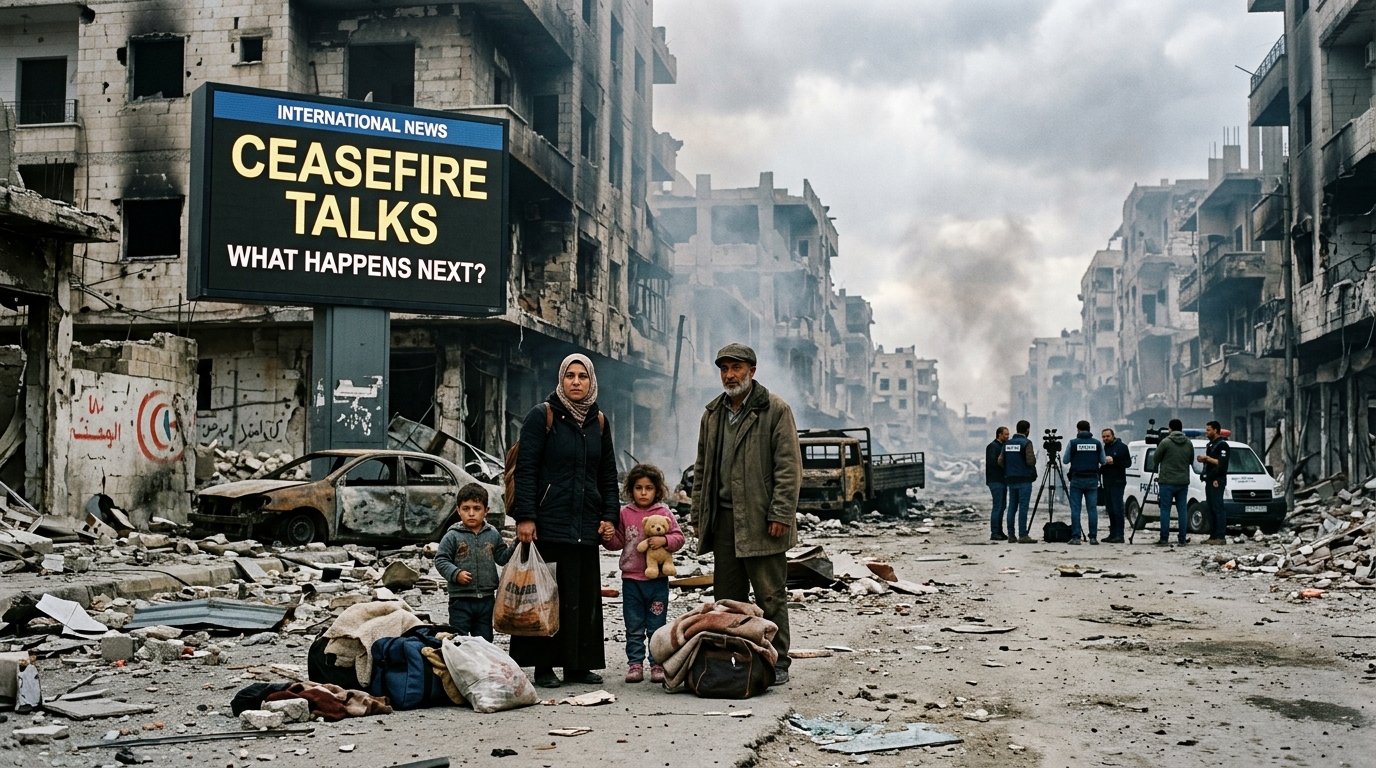
What happens next?
That question matters more than most headlines do. Anybody can tell you where fighting started. Anybody can repeat which side blamed the other side. But what comes after the shelling, the displacement, the fear, and the political speeches? That part gets messy fast. It also gets painfully human.
I always think this is where people outside the conflict lose the plot a little. They expect a neat ending. They want a ceasefire, a handshake, a photo op, and a boring panel discussion where experts say “the situation remains fragile” in their nicest TV voice. Then everyone moves on. Problem solved, right? Yeah, not exactly.
Conflict zones rarely move in a straight line. They twist, stall, restart, split, and drag entire generations through cycles of fear and survival. One group pushes forward. Another group retaliates. Foreign powers step in. Aid arrives late. Civilians pay the price. Then somebody goes on television and talks about “progress.” Amazing. Truly inspirational stuff.
So let’s talk honestly about what usually happens next in conflict zones and why the answer almost never fits into one clean sentence.
Conflict Does Not End When the Shooting Slows Down
A lot of people treat violence like an on and off switch. Fighting happens, then fighting stops, then peace magically appears. Real life does not work like that.
When active combat slows down, conflict usually changes shape instead of disappearing. Front lines might freeze. Militias might regroup. Governments might declare victory even when nobody on the ground feels safe. Civilians might return home and find no home left to return to. Markets might reopen while fear still controls daily life. Kids might go back to school while drones still buzz overhead. Peace does not arrive like a delivery package. Nobody rings the bell and says, “Congrats, your stability is here.”
Most conflict zones move through a rough sequence that looks something like this:
| Phase | What People Hope For | What Usually Happens |
|---|---|---|
| Active fighting | Quick end to violence | More destruction and displacement |
| Ceasefire talks | Immediate calm | Delays, violations, mistrust |
| Aid response | Fast relief | Gaps, shortages, access problems |
| Political process | Serious negotiation | Power games and blame shifting |
| Recovery | Rebuilding and return | Slow progress and deep trauma |
That table looks simple, but every row hides a thousand problems.
The biggest mistake people make comes from assuming a ceasefire equals peace. A ceasefire can help, of course. It can save lives. It can open routes for food, medicine, and evacuations. It can create breathing room. But it does not erase hatred, rebuild trust, or fix broken institutions. It just pauses the bleeding, and even that pause can crack at any moment.
Ever wondered why some conflicts seem to disappear from the front page and then explode again months later? That’s why. The core issues stay alive.
Civilians Carry the Heaviest Burden
Let’s not dance around this. Civilians suffer the most in conflict zones. Not generals. Not politicians. Not the loud guys on social media who treat war like football with worse maps. Ordinary people carry the real weight.
Families lose homes, schools, clinics, jobs, savings, routines, and loved ones. Parents stop planning for the future and start planning for the next meal, the next safe road, the next checkpoint, the next night without bombing. Children grow up too fast. Trauma settles into everyday life like dust.
And here’s the part many outsiders underestimate. Even when violence drops, civilian suffering does not suddenly disappear. In many places, it actually changes form.
People deal with:
- Food shortages
- Dirty water
- Disease outbreaks
- Closed hospitals
- Missing relatives
- Forced displacement
- Mental exhaustion
- Fear of unexploded weapons
- Economic collapse
- Recruitment pressure from armed groups
That list alone should tell you why “what happens next” rarely sounds hopeful at first.
I remember reading and watching conflict coverage over the years and feeling frustrated by how quickly cameras leave once the major offensive ends. The hardest part often starts after that. A family can survive the fighting and still lose everything in the aftermath. A child can survive a bombing and still carry panic for years. A city can technically “reopen” while people still live in ruins and line up for bread. That does not look dramatic enough for prime time, but it defines real life for millions.
Ceasefires Sound Good Until Reality Walks In
Let’s talk about ceasefires because people love to mention them like they solve everything. I get it. A ceasefire sounds hopeful. It gives everybody something solid to root for. But ceasefires only work when the parties involved actually want to hold them and when somebody can enforce consequences for violations.
That “small detail” matters a lot.
In many conflict zones, ceasefire talks hit the same wall again and again. One side wants time to rearm. Another side wants political recognition. Another side wants territory first. Outside powers push their own agendas. Mediators try to sound optimistic. Then somebody breaks the agreement within hours and blames the other side. We have all seen this movie before.
Ceasefires fail for a few common reasons:
No Trust Exists
Why would one side trust the other when both sides think the other side will cheat? They usually don’t.
Too Many Armed Actors Operate on the Ground
Even if two main groups sign something, smaller militias, proxy groups, and local factions can blow it up fast.
Leaders Want Tactical Advantage
Some leaders use negotiations to buy time. They do not chase peace. They chase position.
Civilians Get Ignored
If negotiators focus only on power sharing and territory, they miss the human side that keeps resentment alive.
So yes, ceasefires matter. They save lives. But they do not mean the next stage will feel stable. They just create a narrow opening, and everyone has to decide whether they will widen it or slam it shut.
Aid Arrives, But Never As Easily As People Think
Whenever conflict hits, people say the same thing. “Send aid.” And yes, send aid. Absolutely. But aid work in conflict zones is brutal, complicated, political, and slow.
Roads get destroyed. Borders close. Armed groups block access. Corruption eats resources. Governments control who enters. Donor fatigue kicks in. Warehouses run low. Fuel costs rise. Bureaucracy multiplies like it won a medal for making life harder.
People outside conflict often imagine relief like a simple chain. Need appears, aid trucks move, supplies arrive, problem gets solved. In reality, every step faces risk. Aid groups have to negotiate access, protect staff, verify routes, handle shortages, and stretch tiny resources across huge needs.
And even when aid reaches people, it usually covers survival, not recovery. Food parcels keep families alive, but they do not rebuild homes. Emergency clinics save lives, but they do not repair national health systems. Temporary shelters protect people from rain, but they do not restore a sense of normal life.
That gap between survival and recovery becomes one of the most painful parts of the aftermath.
Displacement Changes Everything
When conflict forces people to leave, the impact spreads far beyond the battlefield. Entire regions feel it. Cities absorb waves of displaced families. Border states carry pressure. Host communities struggle with jobs, housing, schools, and health care. Refugees and internally displaced people live in limbo for months or years.
And limbo changes people.
Imagine putting your whole life into a bag, leaving home with no clear return date, and trying to keep your family calm while every rumor controls your next move. That breaks people down. It also creates long term political and social pressure in neighboring areas.
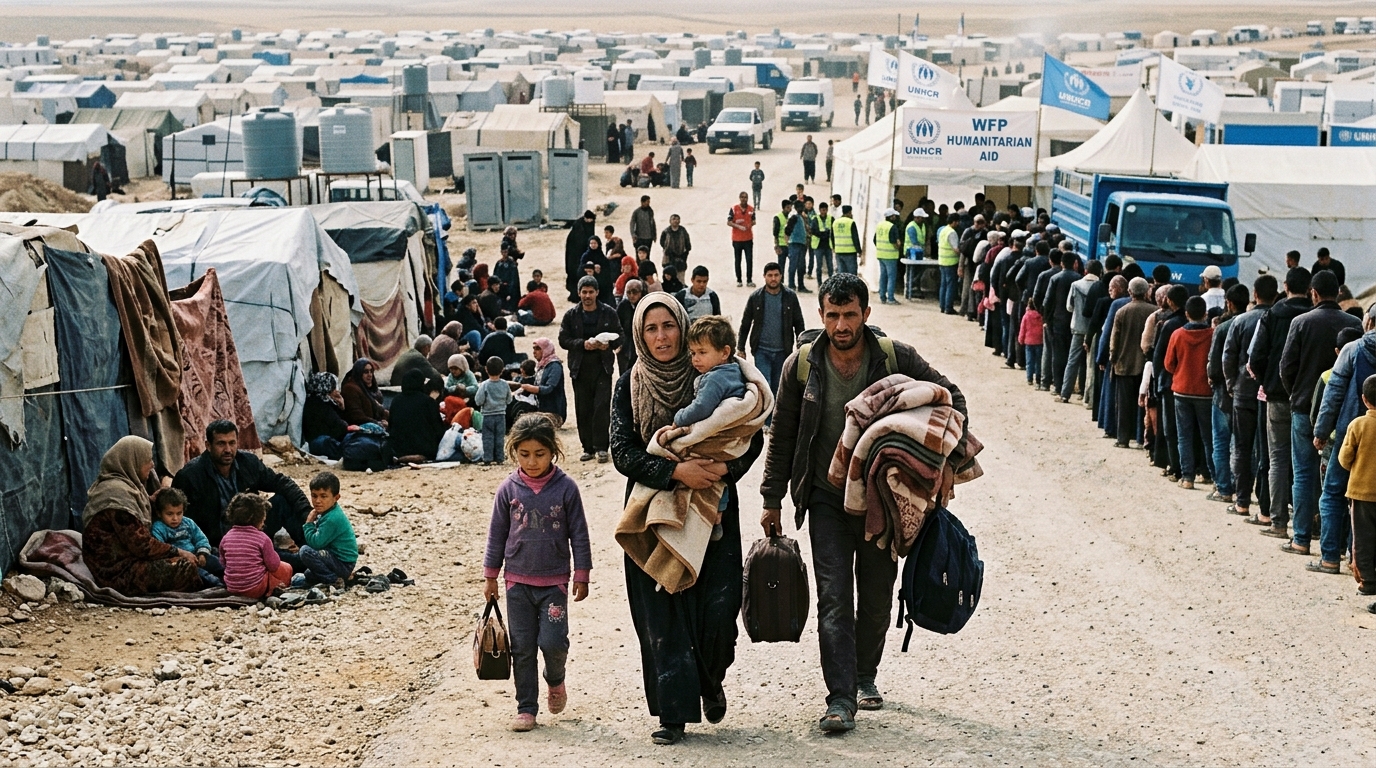
Displacement often shapes what comes next in four major ways:
It Changes Local Economies
Prices rise. Rent climbs. Jobs get tighter. Informal labor expands.
It Strains Services
Schools crowd up. Clinics overload. Water systems struggle.
It Alters Politics
Leaders use displaced populations to score points, fuel fear, or push policy.
It Delays Recovery
People cannot rebuild communities if they remain scattered and insecure.
This is why “go back home” sounds simple from far away and absurd on the ground. Go back to what exactly? A damaged apartment? A mined village? No electricity? No clinic? No wages? Return only works when safety, services, and some basic dignity return too.
Foreign Powers Rarely Stay Neutral
You cannot understand modern conflict zones without looking at outside players. Regional powers, global powers, arms suppliers, intelligence services, private military actors, and political allies all shape what happens next. They fund groups, block resolutions, broker talks, apply pressure, and sometimes prolong conflict because peace does not serve their interests.
That sounds cynical because it is cynical.
A lot of conflict zones turn into layered struggles. Local actors fight local battles while outside players chase influence, resources, strategic routes, ideology, or leverage against rivals. Then commentators pretend the whole thing remains “complicated,” which often means “a lot of powerful people made this worse.”
Foreign involvement can push conflict in very different directions. Sometimes outside pressure helps force negotiations. Sometimes it protects civilians. Sometimes it stabilizes a fragile transition. But a lot of the time, outside involvement deepens the mess because every sponsor wants a different outcome.
So when people ask what happens next, I always think this question matters too: Who benefits if the conflict drags on? Follow that answer and a lot starts making sense.
Justice Gets Delayed, and That Delay Hurts Peace
Here’s another ugly truth. People talk about peace deals faster than they talk about justice. Leaders rush to stop fighting, which makes sense, but they often shove accountability into a dark corner and hope nobody notices. Survivors notice. Families notice. Communities notice.
When conflict zones move into recovery, people want answers.
Who killed civilians?
Who ordered torture?
Who looted towns?
Who used starvation, kidnapping, rape, or mass detention?
Who profits now while everyone else buries the dead?
If nobody answers those questions, anger stays hot. Resentment grows. Rumors fill the gap. Revenge narratives spread. People lose faith in courts, governments, and peace processes.
Justice does not always mean dramatic trials in front of cameras. It can include truth commissions, reparations, local documentation, missing persons investigations, compensation, and memorial efforts. But some version of accountability has to exist. Otherwise leaders build peace on top of silence, and silence cracks fast.
Rebuilding Takes Way Longer Than People Expect
Let’s say the guns quiet down. Aid enters. Talks continue. Families start coming back. What next?
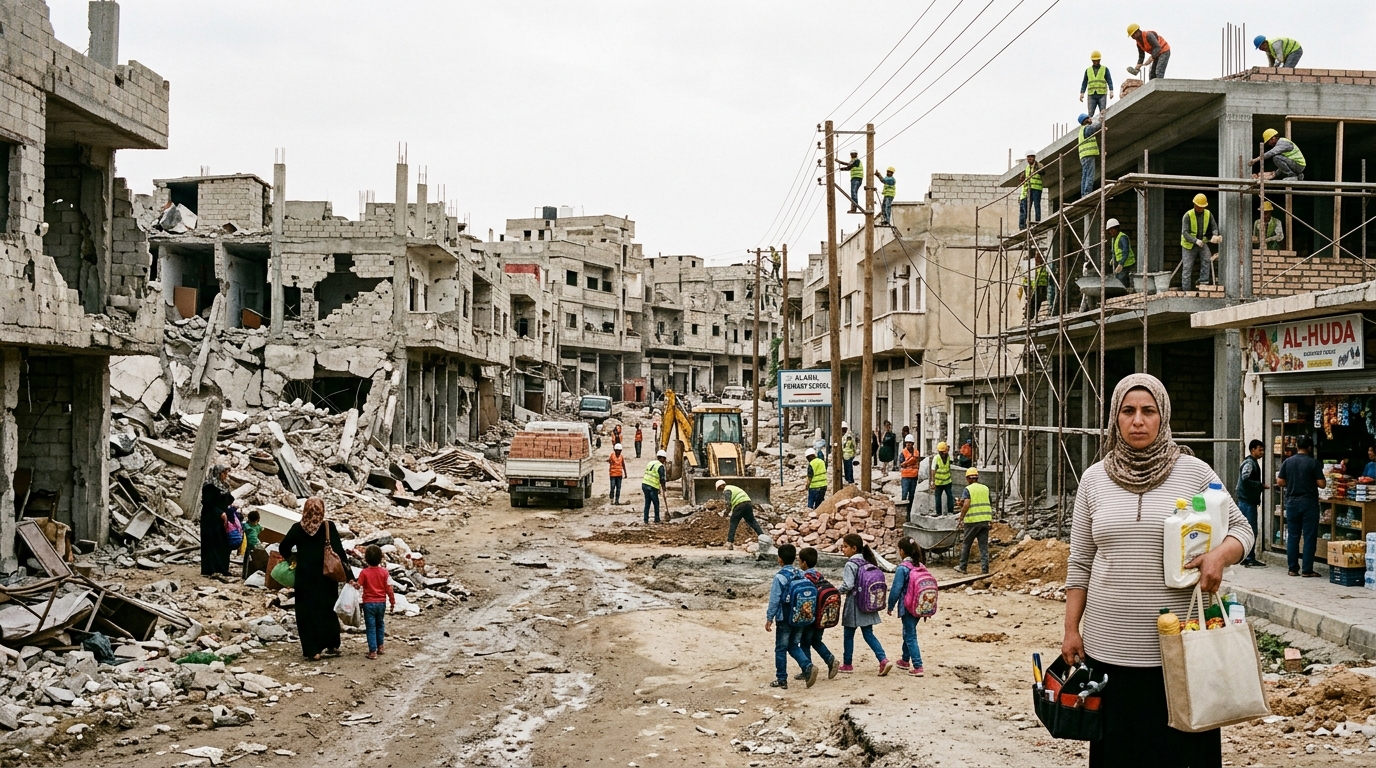
Then comes reconstruction, which sounds like a practical word until you remember what it includes. Roads, schools, housing, electricity, hospitals, courts, local government, banking, transport, water systems, waste systems, land records, business confidence, and community trust all need work. That process takes years, not weeks.
People often underestimate the emotional side too. You can rebuild a bridge faster than you can rebuild trust between neighbors who now see each other through the lens of war. You can reopen a school faster than you can help children focus after years of fear. You can restart a market faster than you can restore faith that tomorrow will look normal.
In my view, this is where the real battle begins. Recovery tests patience, honesty, and leadership. Leaders cannot hide behind battlefield rhetoric anymore. They actually have to govern. They have to deliver power, wages, security, justice, and services. Suddenly slogans do not feel so impressive.
The Media Moves On Faster Than Reality Does
This part bothers me every single time. News cycles move fast. Conflict zones do not.
Once a conflict loses novelty, coverage shrinks. Another crisis grabs attention. Another election dominates the feed. Another celebrity does something pointless and somehow steals oxygen from people rebuilding their lives after disaster. Great priorities, humanity. Really nailed it.
But the consequences keep unfolding long after the cameras leave. That gap matters because public attention influences aid, diplomacy, and pressure. When attention drops, governments feel less heat. Donors lose urgency. Audiences forget. People in the conflict zone do not get to forget anything.
That is why serious coverage matters. It should not only ask who attacked, who retaliated, or who controls which district this week. It should ask:
- Can families return safely?
- Do hospitals function?
- Are children back in school?
- Can people work?
- Do courts operate?
- Are armed groups still recruiting?
- Do people trust the political process?
- Did anyone answer for the crimes?
Those questions tell you what happens next far better than any battlefield map.
So What Actually Happens Next?
The honest answer looks frustrating because it lacks drama. In most conflict zones, the next phase includes fragile pauses, political bargaining, humanitarian struggle, slow rebuilding, and a long fight over memory, power, and truth.
That does not sound clean because it is not clean.
Some places move toward stable recovery. Others freeze into permanent instability. Others relapse into violence because leaders chase revenge, outside powers fuel tension, or basic needs stay unmet. The path depends on security, governance, aid access, justice, regional pressure, and whether ordinary people can rebuild some kind of life worth returning to.
If you want the simplest version, here it is.
After the bombing, people look for bread.
After the speeches, people look for safety.
After the ceasefire, people look for trust.
After survival, people look for dignity.
That is what comes next.
And if nobody helps them find those things, the conflict may change its shape, but it never really ends. 🙂