Unlock the Editor’s Digest for free
Roula Khalaf, Editor of the FT, selects her favourite stories in this weekly newsletter.
The writer, an FT contributing editor, is a former chief economist at the Bank of England
The recent ministerial meeting of the World Trade Organization ended in ignominy with no agreement reached on ecommerce tariffs and a failure to discuss much-needed reform of the WTO itself. This was a fitting end to a disastrous decade for world trade.
That decade began with Brexit and the tariffs of Donald Trump’s first presidency. World trade was then rocked by the acute supply chain disruptions of Covid-19 and Russia’s full-scale invasion of Ukraine. It will end with US tariffs at their highest levels since the second world war and significant supply chain dislocation in the Middle East.
The postwar golden era of globalisation saw world trade outpace world growth by a factor of three. That era has ended. For companies and nations, resilience rather than efficiency has now taken centre stage in trade decisions. Some fear the death of globalisation; others a rupture in the world order and an accompanying 1930s-style retreat in world trade.
Avoiding that outcome means first understanding the reason for this souring of trade sentiment. That lies in two catastrophic acts of wilful blindness during the golden era: first to the adverse social consequences of free trade and second to the inherent fragility of global supply chains.
Tellingly, it was these same mistakes that caused the rupture in global finance during the global financial crisis. It was inequality that fuelled the accumulation of excessive (in particular, housing) debt. And it was the fragility of complex credit supply chains that razed this house of debt to the ground.
Yet less than two decades on, the global financial system has been rewired and rebooted. Credit has been rerouted away from banking bottlenecks to improve system resilience. Ruptures in credit supply — think private credit currently — rock the boat but no longer sink the ship. Contrary to concerns at the time, resilience has not presaged the stability of the graveyard.
There are good reasons to believe global trade is more likely to follow the path of global finance this century than that of global trade in the 1930s. Path dependencies matter. The cat’s cradle of global supply chains is so deeply embedded into business models that unravelling it would be catastrophically costly.
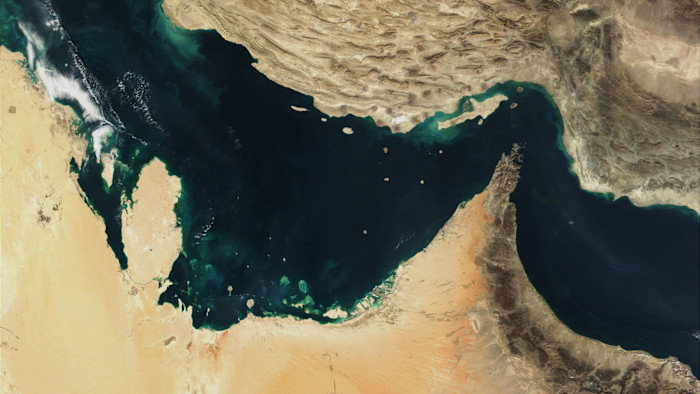
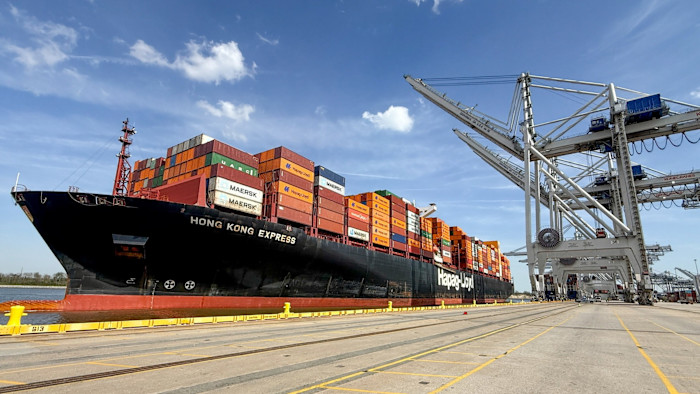
It would also be unnecessary. Rapid-fire rerouting of trade is now muscle memory for companies and nations. This was exemplified following the imposition of Trump’s tariffs a year ago, despite which trade volumes have continued to rise. The recent de facto closure of the Strait of Hormuz is causing a similar rewiring.
The ability to reconfigure at speed, if at some cost, is the key to resilience. The solution to global supply chain fragilities lies in agile trading models and diversified trading partners. For the WTO, success may lie in recognising that these objectives are often easier to achieve through bilateral or plurilateral means.
A second reason for optimism on trade is the necessity of circumstance. The world faces acute twin challenges of depleted living standards and an elevated cost of living, both made worse by events in Iran. It lacks the fiscal space to tackle either. Yet, hiding in plain sight, is a fiscal-free way of killing both birds with a single stone: trade.
Studies suggest a 1 percentage point rise in trade intensity might raise national income by 0.5-1 per cent and lower the price level by 0.1-0.5 per cent permanently. If the UK had Scandinavian levels of trade-intensity, this would boost GDP by up to a fifth and lower prices by up to 10 per cent.
It is hard to think of many policies delivering such a double dividend at so low a cost. And the penny is beginning to drop. Necessity of circumstance is the main reason we may have reached “peak tariff” in the US and why tariff retaliation, 1930s-style, has been disavowed. It is certainly why the UK is fast-tracking efforts to reset EU trade relationships.
Yes, trade deepening may come with inequality costs. But, scarred by experience, there is greater policymaker recognition now both of these costs and, crucially, that they may be better addressed through active industrial strategies than defensive trade policies.
All of which leads me to think obituaries for globalisation are premature. Any ruptures to the world order are to the Achilles, not the aorta — painful, not fatal. Perversely, today’s challenges are helping remake the case for trade. Just as the GFC prompted a rewired, resilient new financial order, the “disastrous decade” may usher in the same for world trade.